WHY YOU SHOULDN'T IGNORE THE WARNING LIGHTS IN YOUR CAR
Dashboard warning lights aren't there to be ignored. Learn what the most important warning indicators mean, the risks of delaying repairs, and how early action can protect both your vehicle and your safety.
Chinwe Nwosu
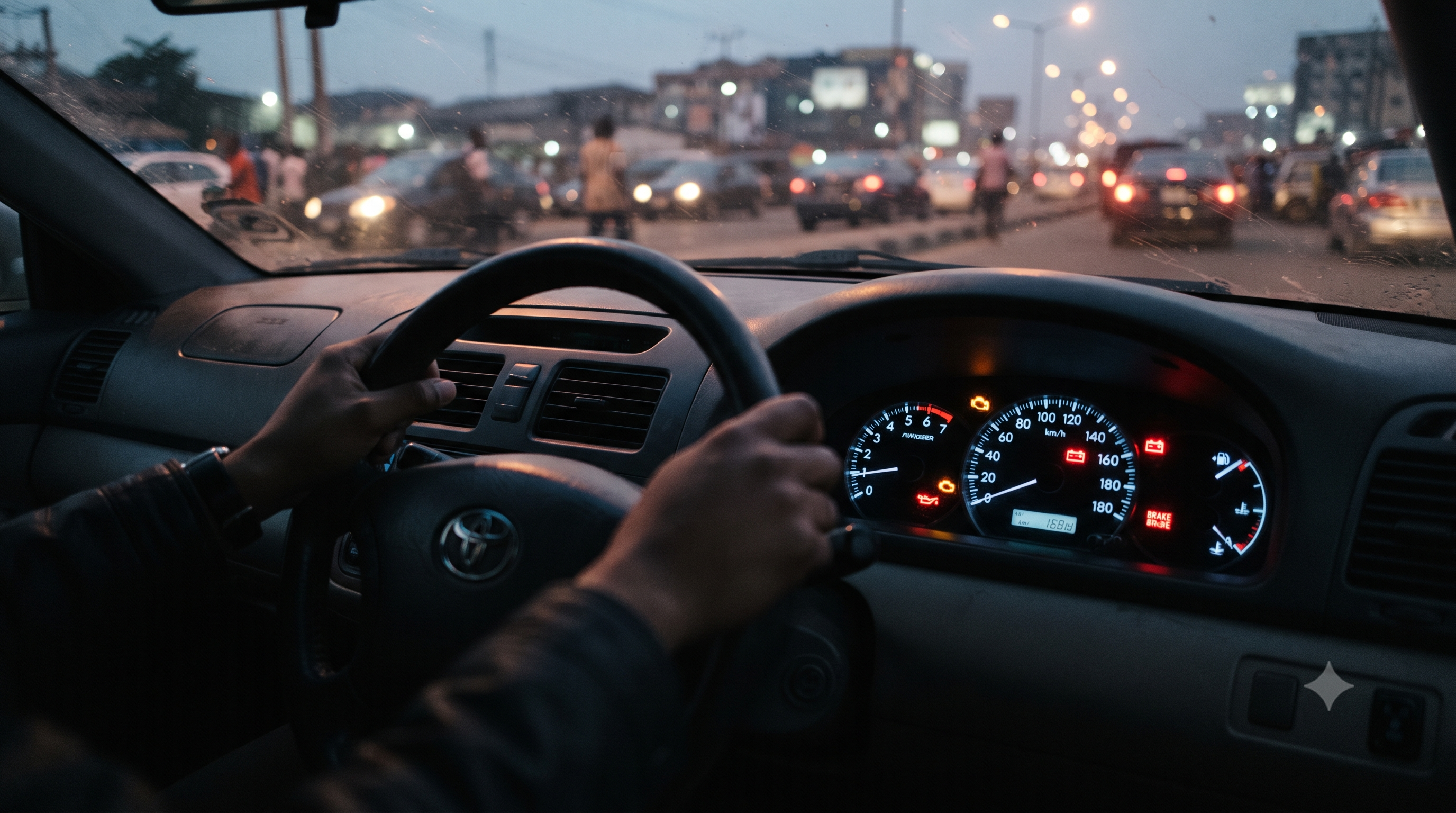
Your vehicle's dashboard is there for a reason. The warning lights on the dashboard are there for a reason. The lights are called warning lights because they tell you when something is not working properly in your car, requiring your immediate attention. Too many people just drive their cars while clearly ignoring all the warning lights. A woman from Ohio recently posted a picture of her dashboard and it was lit up like a Christmas tree. Every single warning light was shining bright.
As a car owner, it is your responsibility to take these warning lights seriously if you want your car to be in good condition. Ignoring these warnings can lead to severe and irreparable damage, which you wouldn't want. Ignoring these warning lights might also put your life in jeopardy on the road. Let's dive in and see why you shouldn't ignore your warning lights.
1. ABS system and brake fluid warnings
If either your anti-lock brake system (ABS) or brake fluid warning light appears, it means there is a fault with your brakes.
This could be your brake pads being low on material, a broken sensor, or, in the case of the ABS light, it means the system which stops your wheels from locking is broken, which could mean your vehicle skids across the road when you try to use your brakes.
Fully working brakes are crucial for vehicle safety, so don't mess around when it comes to a potential fault. Stop your vehicle safely as soon as the light appears and call a mechanic straight away.
2. ECU and engine warning light
Unlike other warning lights, the engine control unit (ECU) light doesn't signal a specific fault. It simply tells you there is a problem with the engine.
Most ECU light systems use amber and red coding to signify the degree of the fault. If the light is amber, it usually means a fault with the exhaust emissions and you should be able to drive home safely, but make sure to book in with a mechanic as soon as possible.
Amber lighting with additional lines means you should drive cautiously to the nearest garage, while red lights mean a serious fault, so stop the vehicle and call a breakdown service immediately.
3. Airbag warning light
Your airbag warning light will come on if there is a problem with your airbag system, or possibly your seatbelt mechanism.
This will usually mean your airbag needs resetting, or that there is a problem with the battery or the wiring in the airbag system.
As soon as you see the light turn on, either pull over safely or drive cautiously to a garage if there is one nearby.
If you are involved in a crash while the airbag warning light is on, your airbags won't deploy for you or your passenger, which could prove fatal, so it is not recommended that you drive while it is on.
4. Oil pressure warning
The oil pressure light coming on can mean anything from being low on oil to there being a fault with the vehicle's engine.
Driving with an oil fault can cause havoc with your vehicle's engine and even break the motor. So if the light comes on while you are driving, pull over and stop the vehicle as soon as possible and call a mechanic.
5. Engine temperature
This light is also called the thermometer light. The thermometer light indicates that your car's engine is overheating. If you see this light come on, you should find a good, safe place to park your car and turn off the engine. Engine overheating can be a serious problem, and your car can be severely damaged if you drive with an overheated engine. Let your engine cool down and get it checked as soon as possible.
It is important that we pay the utmost attention to our cars. Always pay attention to your warning lights and never ignore them. You never know what might happen, and safety is of paramount importance.
Comments (0)
Be the first to make a comment
Comments are reviewed before they appear.