HOW TO FIND OUT THE RECOMMENDED ENGINE OIL FOR MY CAR
Choosing the right engine oil is essential for your car's performance, fuel efficiency and longevity. Learn how to identify the correct engine oil grade and specification for your vehicle and avoid costly engine damage.
Chinwe Nwosu
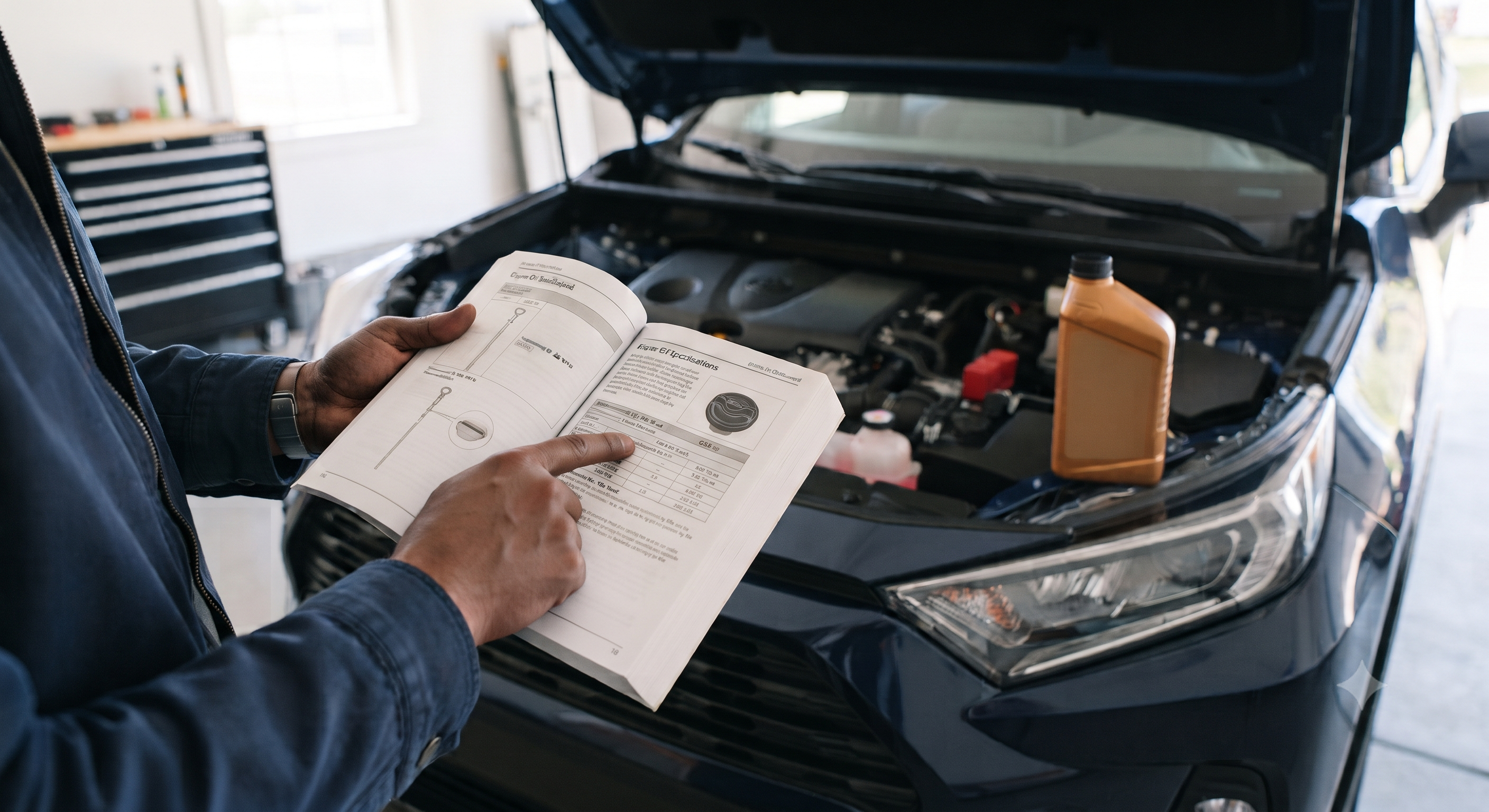
Before we dive into the recommended engine oil for your car, I'm sure you would want to know what engine oil is and, of course, why it matters to us at Autogirl that you know the right one to use for your car.
What is car engine oil?
Engine oil (also referred to as motor oil) is designed to lubricate the internal components of your car's engine. In addition to that, it also does a whole host of other tasks such as cooling your engine by more evenly distributing heat, cleaning it using built-in oil additive detergents, improving the sealing, and inhibiting corrosion.
Why do engine oil grades and specifications matter?
Each vehicle's engine is produced and designed around a certain engine oil grade or viscosity, plus a very precise specification. Oil specifications are varied to cope with the vastly different strains and stresses vehicle motors have to cope with (cc size, DPF, diesel and petrol, to name just a few). Therefore, to maintain the efficiency, lifespan and performance of your engine, you should always stick with the oil that your engine was designed to take.
Now, the reason why you have been reading through.
Which engine oil is most suitable for your car?
If you are unsure which oil your vehicle needs, it is important to learn more about them so you can find motor oils perfectly optimised for your needs.
First, learn the difference between synthetic and mineral oils. The choice of the two will largely depend on the age of the vehicle.
Next, you can learn more about the different motor oil standards used across the market. This includes the ACEA standard, which features a letter and a number. The letter indicates the type of engine, with A noting it is for petrol engines, B for car diesel engines, C for light engines equipped with particulate filters or catalytic converters, and E for commercial vehicles.
Comments (0)
Be the first to make a comment
Comments are reviewed before they appear.